The Accidental Tourist
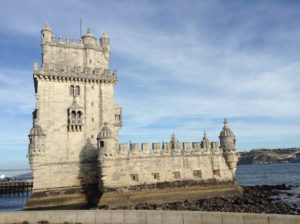
In this essay, Hany Farag encourages pilgrims to embrace the role of “accidental tourist” by incorporating touristic stops before or along the Camino route for a deeper understanding of local culture and people.

Welcome to La Concha. Read first hand accounts of pilgrim experiences along The Way.
In this essay, Hany Farag encourages pilgrims to embrace the role of “accidental tourist” by incorporating touristic stops before or along the Camino route for a deeper understanding of local culture and people.
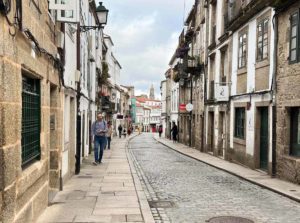
An American husband and wife are struck by the serendipitous moment that brings them together with a Chinese artist and an ethnic Chinese British subject from Hong Kong to share a meal at a restaurant in Santiago de Compostela, Spain.
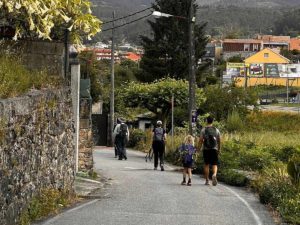
Two widowers in their 70s, friends since grade school though separated by time and life, embark on Camino together. Joined by family and friends, they arrive in Santiago tired but richer for the experience.
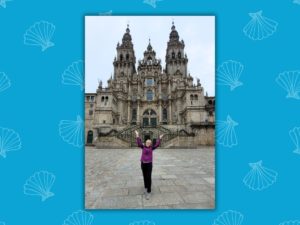
After a series of disappointments starts to cloud her second Camino experience, a pilgrim dreams one night of a seemingly perfect pilgrimage where everything goes to plan. And yet, upon arrival in Santiago, her dream-self feels empty. Her subconscious seems to recognize that overcoming challenges along the way is what contributes to a sense of exhilaration in the end, changing her outlook for the rest of her journey.
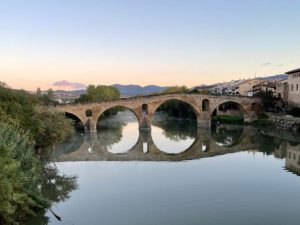
A widower on Camino to grieve the death of his wife creates the intention of dedicating each day of his walk to a person or group that was a blessing to him. Somewhere along the way, he discovers that his grief has turned to gratitude.
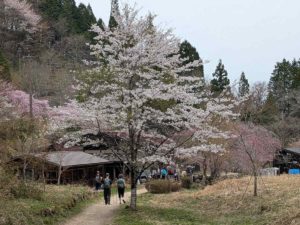
Patricia Clark recounts a tale from her trek on Japan’s Nakasendo Trail when she saw an opportunity to participate in a chain reaction of goodwill. What many Americans call “paying it forward” and what her Japanese hiking companion called a “happiness relay” speaks to the universal language of kindness.
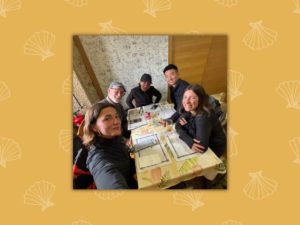
Bick Treut describes the seemingly random, perhaps divinely designed way a culturally diverse group of pilgrims come together to form what he calls a band of angels.
A classical musician on Camino is encouraged by her teacher to have a piece of medieval music ready to play at all times, and to play for listeners as a gift.
When a pilgrim falls ill along the Camino Francés and is hospitalized, locals from Estella—including friends he had made earlier that year as well as other strangers-turned-friends—came to his and his wife’s aid, showing them how community forms the foundation of Spanish culture in some villages.
A visually impaired pilgrim comes to see that we rescue each other in grand and small ways on the Camino.